

November has a way of revealing what is strong enough to carry us forward—and what needs attention before greater pressure arrives.
In nature, preparation for winter happens before the cold becomes severe. Roots deepen. Resources are protected. What matters most is preserved.
Relationships work much the same way.
Healthy relationships are rarely strengthened in the middle of a crisis. Their resilience is often built beforehand through honest communication, dependable care, healthy boundaries, shared responsibility, and the willingness to repair what has been strained.
That is what it means to be built for winter.
For individuals, couples, families, leaders, and professionals, this season offers an opportunity to look more closely at the relationships we depend on and ask an important question:
Are we simply maintaining connection, or are we building relationships strong enough to withstand change?
Designed2Last is rooted in the belief that relationships capable of lasting do not happen by accident. They are designed intentionally, strengthened consistently, and cared for before difficulty exposes the cracks.
Strong Relationships Need More Than Good Intentions
Most people want healthy relationships.
We want to feel understood. We want dependable friendships, supportive partnerships, stronger marriages, healthy professional connections, and relationships where trust feels mutual.
But wanting a strong relationship and building one are two different things.
Good intentions cannot replace communication.
Affection cannot replace accountability.
History cannot replace continued effort.
And simply being connected to someone does not automatically mean the relationship is being cared for well.
Strong relationships require practices that make connection sustainable.
That may mean checking in before frustration becomes resentment. It may mean listening without immediately defending yourself. It may mean communicating expectations instead of assuming another person should already know them.
Sometimes strengthening a relationship is less about doing something dramatic and more about becoming dependable in the small moments.
Trust grows there.

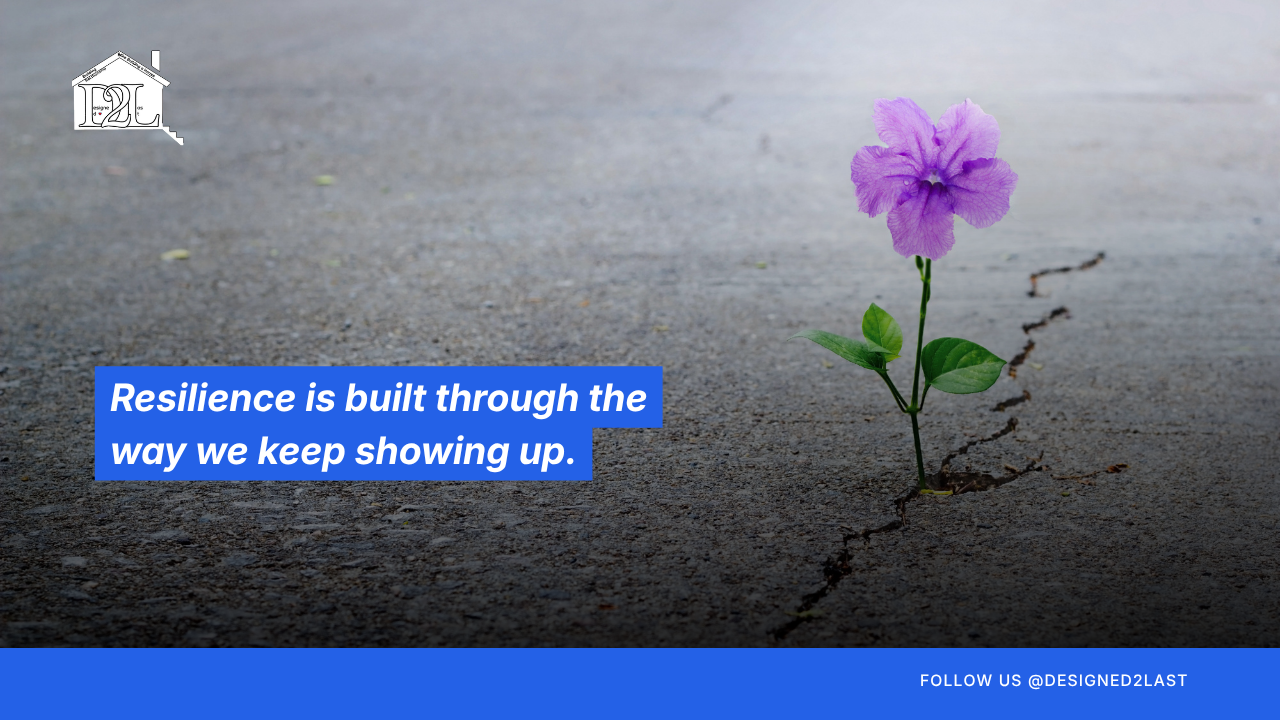
Pay Attention to the Cracks Before They Become Breaks
Pressure does not always create problems in relationships.
Sometimes it simply reveals them.
A demanding schedule may reveal that a couple has stopped making meaningful time for one another.
A misunderstanding may expose expectations that were never clearly communicated.
A professional challenge may reveal weak trust between colleagues.
A family transition may uncover unresolved tension that everyone had learned to work around.
These moments can feel uncomfortable, but they also provide valuable information.
Rather than asking only, “What went wrong?” consider asking:
“What is this showing us about the way this relationship has been functioning?”
That question changes the conversation.
Instead of looking for someone to blame, you begin looking for the pattern that needs attention.
Perhaps communication has become reactive instead of thoughtful.
Perhaps boundaries are unclear.
Perhaps appreciation has slowly disappeared.
Perhaps one person has been carrying responsibilities that should have been shared.
Perhaps difficult conversations have been postponed for so long that distance now feels normal.
Recognizing the crack does not mean the relationship has failed.
It means you now know where strengthening is needed.
Build Relational Resilience Before You Need It
Resilience in relationships is not the absence of disagreement, disappointment, or change.
It is the ability to move through those experiences without losing respect, trust, or the commitment to understand one another.
That kind of resilience is built through consistent relational habits.
Communicate before assumptions take over.
When something matters, say it clearly. Silence leaves too much room for interpretation.
Listen for understanding, not simply for your turn to respond.
Sometimes the most meaningful thing you can offer another person is your full attention.
Address tension while repair is still possible.
Avoiding a difficult conversation may create temporary comfort, but unresolved issues rarely disappear on their own.
Practice appreciation consistently.
People should not have to reach a milestone—or nearly leave—for their value to be acknowledged.
Protect healthy boundaries.
Strong relationships require closeness, but they also require clarity. Healthy boundaries protect respect, responsibility, and emotional well-being.
These practices may seem simple, but repeated consistently, they become part of the structure that helps relationships endure.
Your Professional Relationships Need Strong Foundations Too
Designed2Last does not separate meaningful relationships from professional life.
The relationships we build at work—with colleagues, mentors, clients, partners, and team members—also depend on trust, communication, consistency, and mutual respect.
Professional relationships become stronger when people know what they can expect from one another.
Clear communication reduces confusion.
Follow-through builds credibility.
Healthy boundaries prevent resentment.
Respect makes difficult conversations more productive.
And accountability strengthens collaboration.
This matters especially during demanding seasons.
When deadlines increase or responsibilities change, relational weaknesses become easier to see. Instead of relying only on efficiency, strong leaders and professionals pay attention to the quality of connection surrounding the work.
A productive team without trust eventually becomes fragile.
A partnership without communication becomes difficult to sustain.
A professional relationship built only on convenience may disappear as soon as circumstances change.
Relationships designed to last require more than usefulness.
They require investment.
Repair Is Part of Building Something That Lasts
There is a common misconception that strong relationships should always feel easy.
They do not.
People misunderstand one another.
Needs change.
Responsibilities shift.
Trust may be strained.
Disappointment happens.
What distinguishes a resilient relationship is not perfection—it is the willingness to repair.
Repair may begin with a sincere apology.
It may require taking responsibility without explaining away the impact of your actions.
It may mean asking a question you have avoided.
It may mean listening to something difficult without immediately becoming defensive.
And sometimes repair means acknowledging that an old way of relating is no longer healthy enough for where the relationship needs to go.
Repair says:
This relationship matters enough for us to address what is hurting it.
That is not a weakness.
It is relational maturity.
A November Relationship Check-In
Before the pace of the year becomes even busier, take time to examine the relationships that matter most.
You do not need to evaluate every relationship at once.
Choose one.
It might be your marriage, a friendship, a family relationship, a professional partnership, or even the relationship you have with yourself.
Then work through these six steps.
1. Name what is working.
Begin with what is healthy.
Where do you see trust, care, consistency, honesty, or mutual support?
Strong relationships need reinforcement, not only correction.
2. Notice what feels strained.
Pay attention to recurring tension, emotional distance, unspoken expectations, or conversations that keep being avoided.
Do not exaggerate the issue, but do not minimize it either.
3. Identify the pattern beneath the problem.
Ask yourself whether the real issue is communication, trust, boundaries, responsibility, consistency, appreciation, or something else.
Understanding the pattern helps you address more than the latest incident.
4. Have one meaningful conversation.
Choose clarity over assumption.
Say what needs to be said respectfully and make space for the other person’s perspective.
5. Agree on one practical change.
Avoid leaving the conversation with only good intentions.
Decide what will actually change.
Perhaps you will schedule regular check-ins, communicate plans earlier, divide responsibilities differently, establish a boundary, or protect time for connection.
6. Follow through.
Trust grows when words and actions begin matching consistently.
One conversation can create clarity.
Repeated follow-through creates change.

Take a Moment to Reflect
Consider these questions before moving into the rest of the month:
Which relationship in my life feels especially strong right now, and what is helping it remain healthy?
Where has distance, assumption, or unresolved tension started to develop?
Is there a conversation I have been postponing that could create greater clarity?
Where do I need to listen better instead of simply defending my position?
What relationship deserves more consistent attention from me?
What small action could strengthen trust before this month ends?
You do not need to solve everything in one conversation.
The goal is to stop leaving important relationships unattended.
Bringing It All Together
Being built for winter does not mean preparing for something bad to happen.
It means strengthening what matters before life demands more from it.
Every meaningful relationship will eventually experience transition.
Schedules change.
People grow.
Responsibilities increase.
New seasons arrive.
The relationships most capable of enduring those changes are not necessarily the ones that never experience tension. They are often the ones where people continue communicating, listening, repairing, appreciating, and choosing one another with intention.
This November, resist the temptation to focus only on what still needs to be accomplished before the year ends.
Look at the people connected to the life you are building.
Notice what is strong.
Pay attention to what needs care.
Have the conversation.
Make the repair.
Protect the connection.
Because relationships designed to last are not simply relationships that survive difficult seasons.
They are relationships that have been intentionally strengthened to move through them together.
Ready for the Next Step?
If you are ready to strengthen your relationship patterns, improve communication, establish healthier boundaries, or build more meaningful connections, Designed2Last coaching can help you take the next step with greater clarity and intention.
Explore single coaching, couples coaching, and relationship development resources to find the support that fits your season.